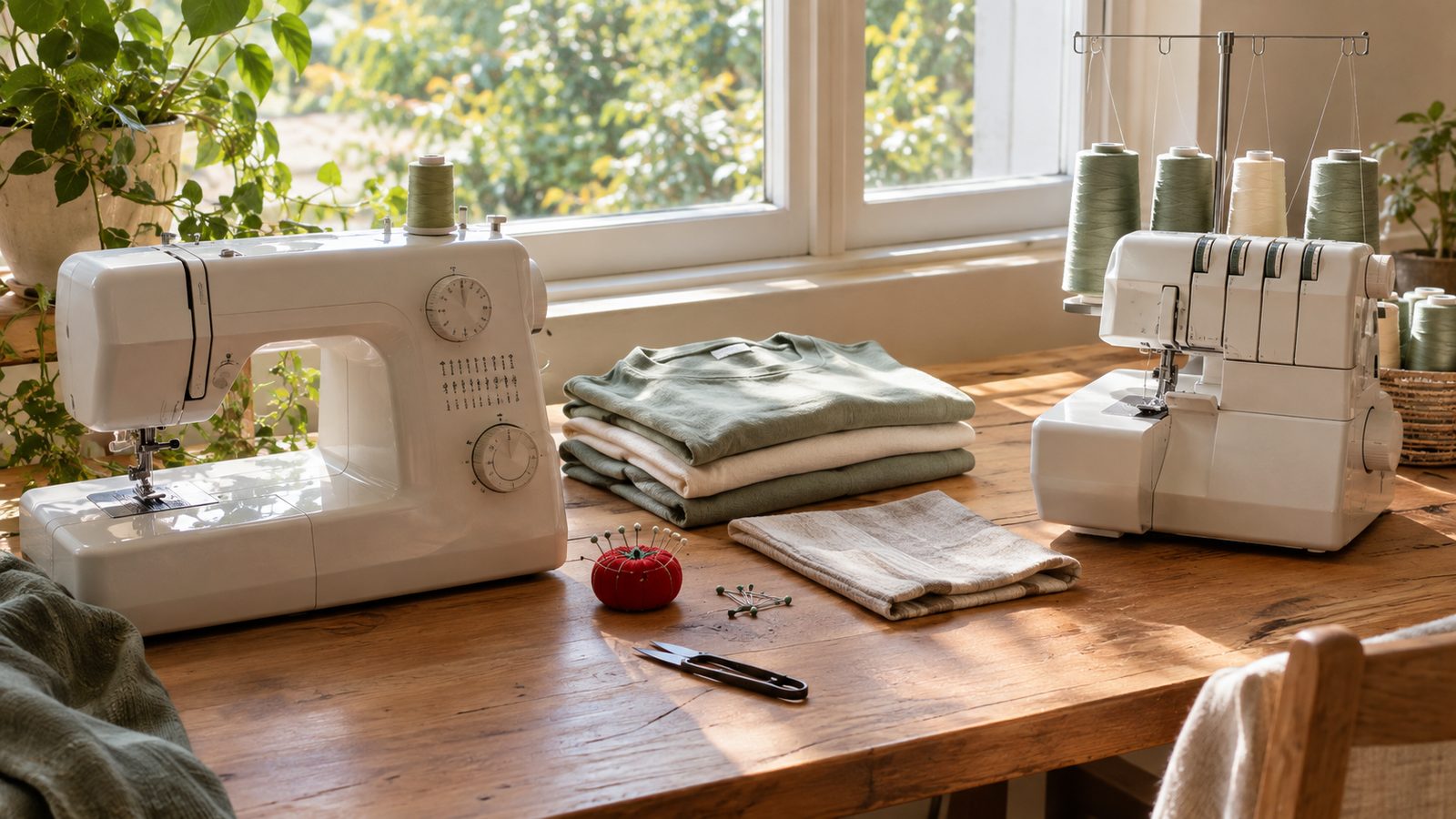
If you’re weighing a serger against a regular sewing machine, here’s the short version: a sewing machine is the one you can’t do without, and a serger is the one that makes your sewing look and wear like store-bought. They do different jobs, and neither one fully replaces the other.
Most home sewists start with a sewing machine and add a serger later, once they know what kind of sewing they actually love. Below, I’ll walk through what each machine does, how they compare side by side, and how to decide whether a serger belongs on your table right now.
Quick answer
- Buy a sewing machine first. It sews seams, zippers, buttonholes, hems, quilts and repairs. A serger can’t do most of those.
- Add a serger when you sew a lot of knits, make garments regularly, or you’re tired of fraying seam allowances.
- You don’t strictly need both for most projects. A zigzag or overcast stitch on a sewing machine finishes seams well enough for many home sewists.
- You’ll probably want both if clothing is your main thing, especially t-shirts, leggings and activewear.
What a sewing machine does
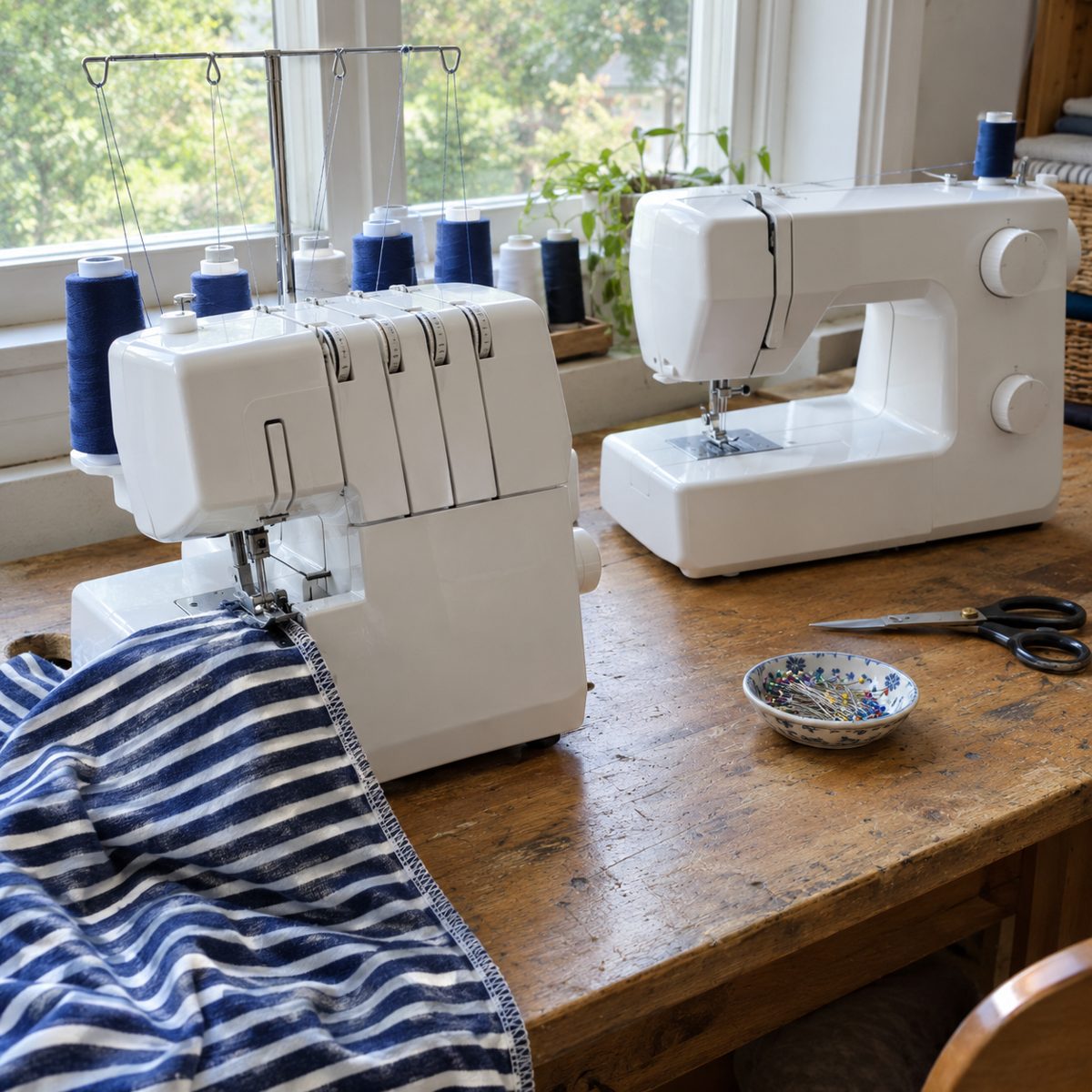
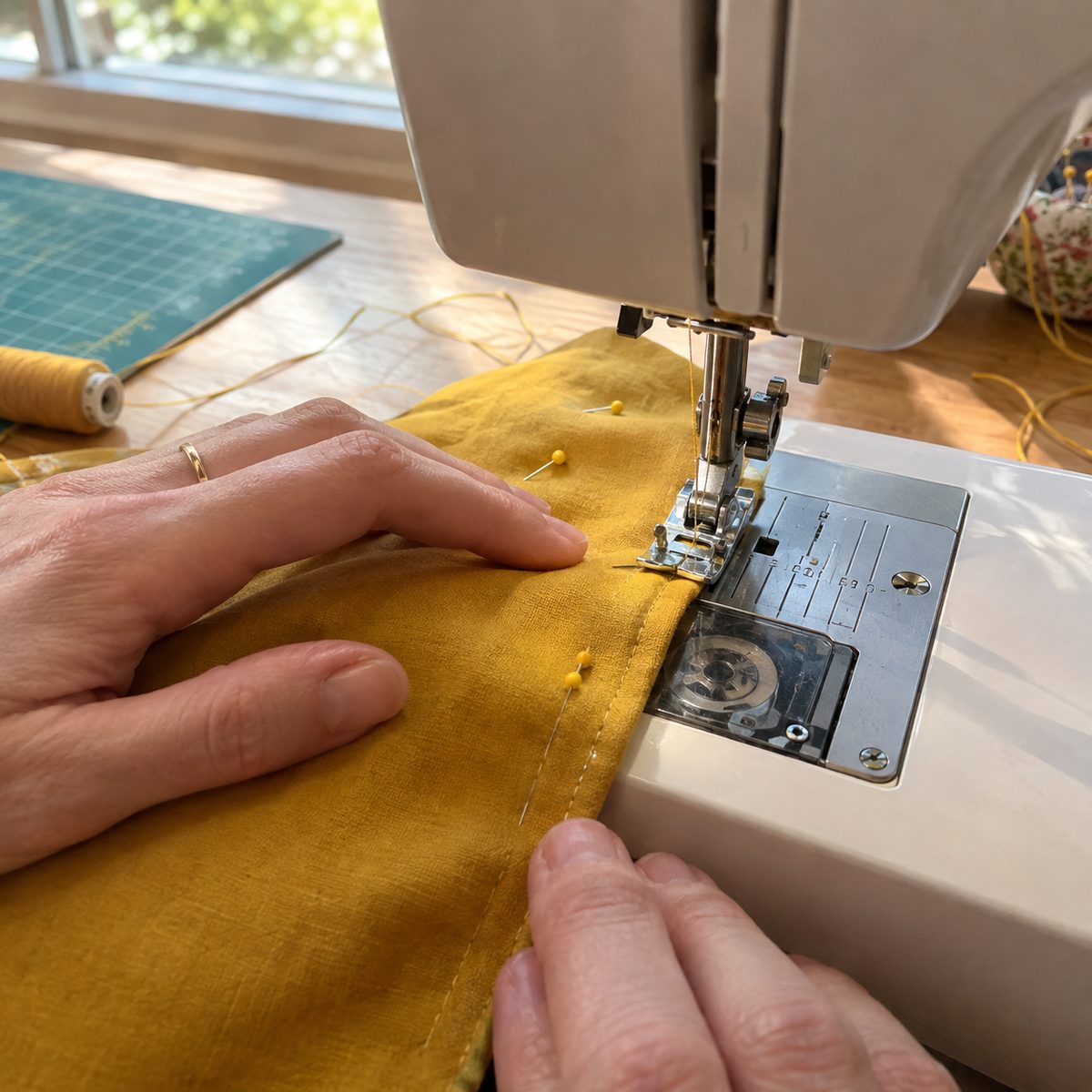
A standard sewing machine uses one needle thread on top and one bobbin thread underneath. The two threads lock together in the middle of the fabric to form a lockstitch, the straight, tidy line of stitching you see on nearly everything sewn at home. That lockstitch is strong, easy to remove with a seam ripper, and precise enough to sew right along an edge or around a curve.
Beyond the straight stitch, even a basic machine usually offers a zigzag and a handful of utility stitches. With the right presser feet, that covers an enormous range of work:
- Constructing seams on garments, bags, pillows and home decor
- Inserting zippers, including invisible and lapped zippers
- Sewing buttonholes (see my guide on how to sew a buttonhole on a sewing machine)
- Topstitching, edgestitching and decorative stitching
- Hemming, patching and everyday mending
- Piecing and quilting
In other words, a sewing machine is the general-purpose tool. If you only ever own one machine, this is the one.
What a serger does
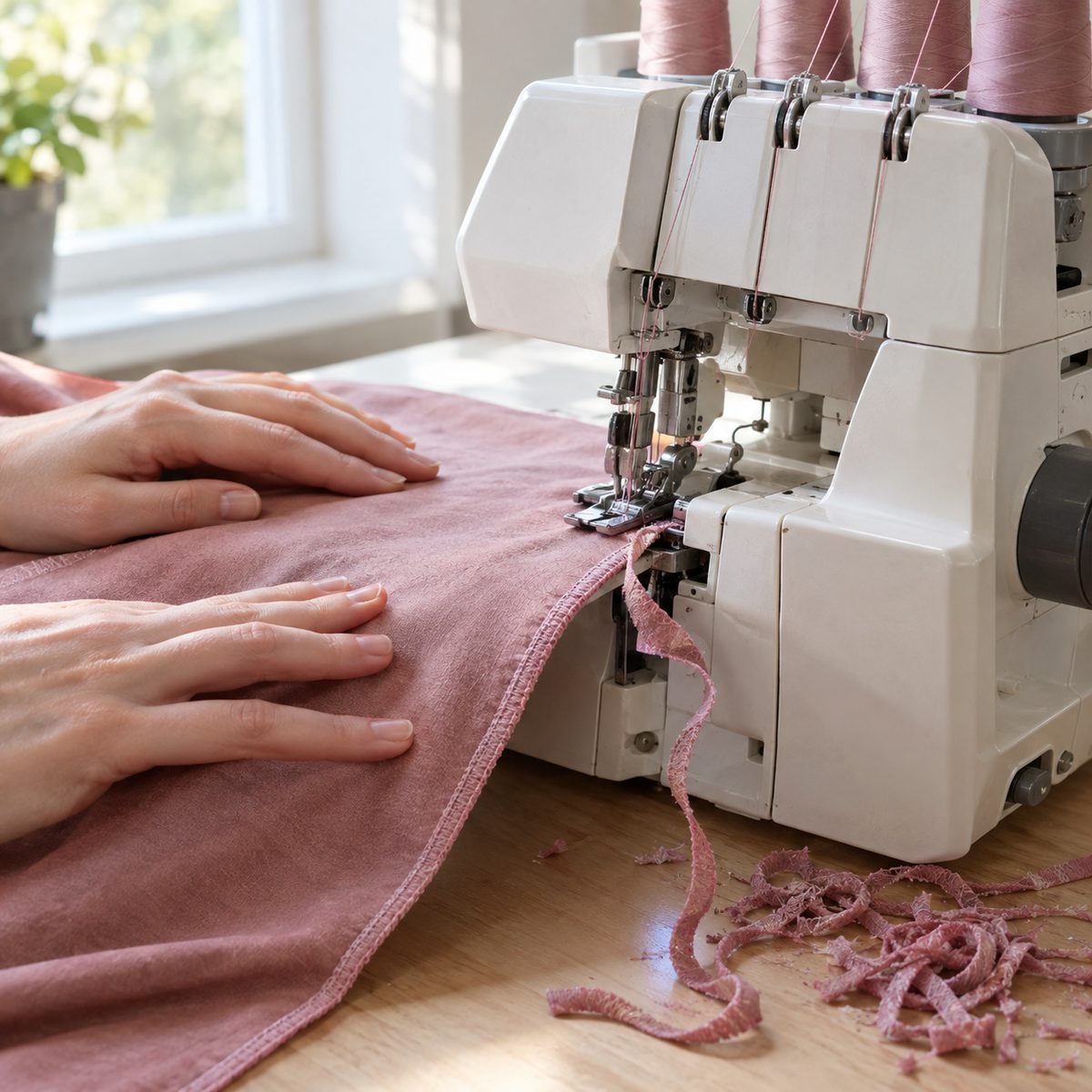
A serger, also called an overlocker, is a specialist. Instead of a bobbin, it uses loopers along with one or two needles, and it typically runs three or four threads at once (some models handle more). As you sew, a small built-in knife trims the fabric edge a moment before the threads wrap around it. The result is a seam that’s stitched, trimmed and finished in a single pass.
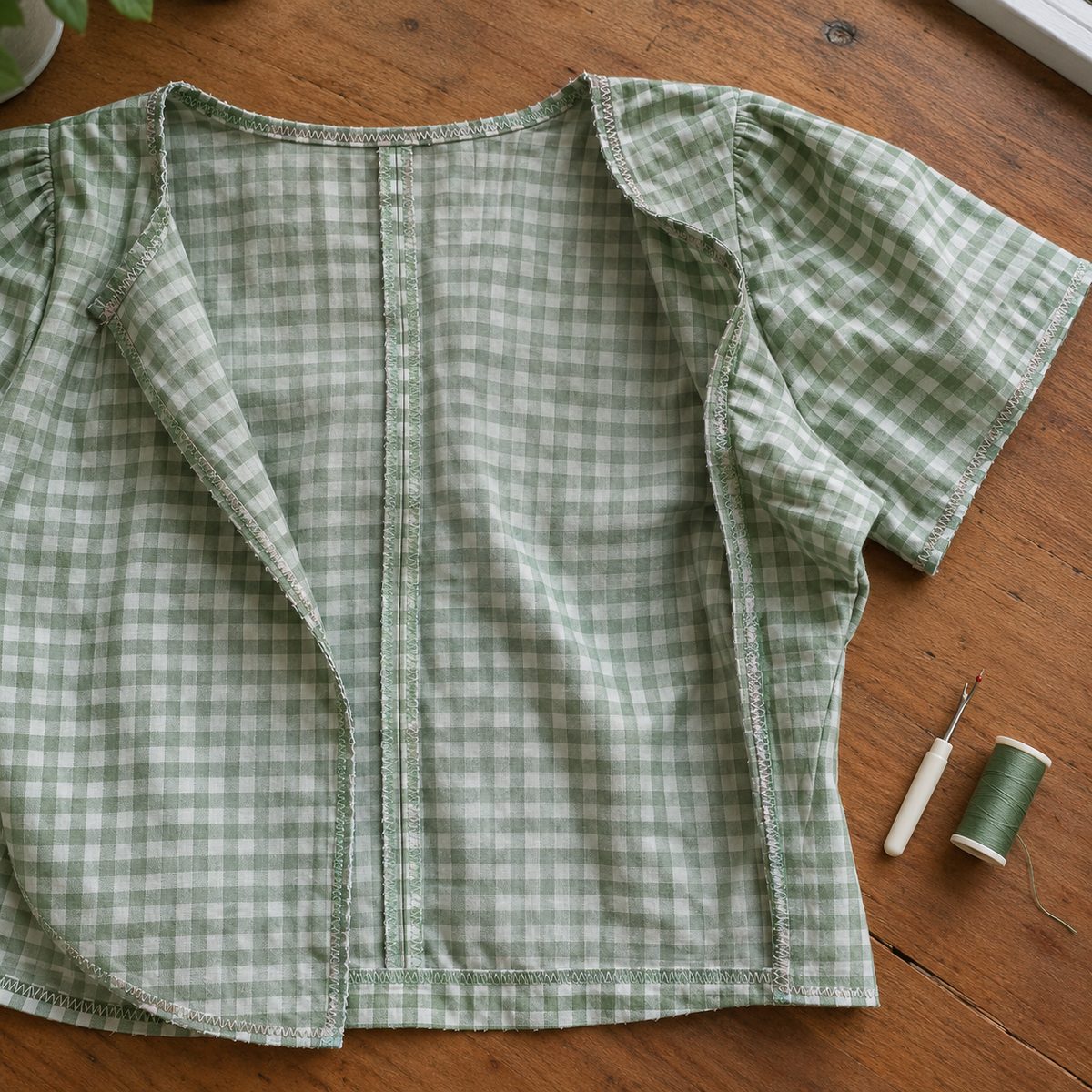
That wrapped edge is what you see inside most ready-to-wear clothing. It stops woven fabric from fraying, and because the looped stitch has some give, it stretches with knit fabric instead of popping. Sergers also run fast, so long seams go by quickly.
What a serger does well:
- Sewing and finishing seams in one step, especially on knits
- Overcasting raw edges on woven fabric so they don’t unravel
- Rolled hems on lightweight fabrics like chiffon, napkins and scarves
- Decorative edges, flatlock seams and gathering on many models
What it can’t do matters just as much. A serger can’t sew a buttonhole, set in a standard zipper neatly, topstitch a pocket in place, or sew anywhere except along an edge. Because the knife trims as you go, it also isn’t forgiving. Once you’ve cut, the fabric is gone.
Serger vs. sewing machine at a glance
Here’s how the two machines line up on the things that usually drive the decision.
| Feature | Sewing machine | Serger |
|---|---|---|
| What it’s for | All-purpose sewing: construction, details, repairs, quilting | Seams and edge finishing, especially on garments and knits |
| Stitch types | Lockstitch (straight), zigzag, utility and decorative stitches | Overlock stitches (3- and 4-thread), rolled hem, flatlock; some models add a coverstitch |
| Seam finishing | Possible with zigzag or overcast stitch, but it’s a separate step | Built in: sews, trims and wraps the edge in one pass |
| Knits | Workable with a stretch stitch, ballpoint needle and some care | Excellent; the stitch stretches with the fabric |
| Zippers, buttonholes, topstitching | Yes, all three | No; it only stitches along an edge |
| Learning curve | Gentle; most beginners are sewing seams within a day | Steeper, mostly because of threading and tension on multiple threads |
| Typical price range | Entry-level models are widely available at budget prices; features and cost climb from there | Entry-level models generally cost a bit more than a basic sewing machine; mid-range and air-threading models cost considerably more |
| Threading | Two threads (top and bobbin); quick to learn | Three to four (or more) cones through loopers and needles in a set order; air-threading models simplify it |
The pattern is clear: the sewing machine wins on versatility, and the serger wins on speed and finish for one specific job. That’s why so many garment sewists end up with both sitting side by side.
When a sewing machine alone is enough
Plenty of people sew happily for years without a serger. A sewing machine on its own is usually all you need if most of your projects fall into these groups:
- Quilting. Seams are enclosed between the quilt top, batting and backing, so there’s nothing to finish.
- Bags, totes and home decor. Lined bags hide their seams, and curtains or pillow covers can use French seams or simple hems.
- Mending and alterations. Hemming pants, fixing seams and patching are all sewing machine jobs.
- Occasional garments in woven fabric. A few shirts or skirts a year don’t justify a second machine.
You can also get very tidy insides without a serger. These are the seam finishes I reach for most on a regular machine:
- Zigzag finish. Sew your seam, then run a medium-width zigzag along each raw edge so the right swing of the needle just goes off the fabric.
- Overcast stitch. Many machines have an overcast stitch and a matching overcast foot that mimics a serged look fairly well.
- French seams. Sew wrong sides together, trim, then fold and sew right sides together to enclose the raw edge. Lovely on sheer or lightweight fabrics.
- Pinked edges. Pinking shears are a quick option for stable woven cottons that don’t fray much.
- Bound or Hong Kong seams. Wrapping each edge in a narrow bias strip takes longer but looks beautiful in unlined jackets.
Knits are also doable on a sewing machine. Use a ballpoint or stretch needle, a narrow zigzag or your machine’s stretch stitch, and don’t pull the fabric as it feeds. If knits give you wavy seams, my guide on how to stabilize knit fabric for sewing will help a lot.
When a serger is worth it
A serger starts to earn its place once your sewing leans toward clothing, and especially toward knits. Here are the signs it’s time:
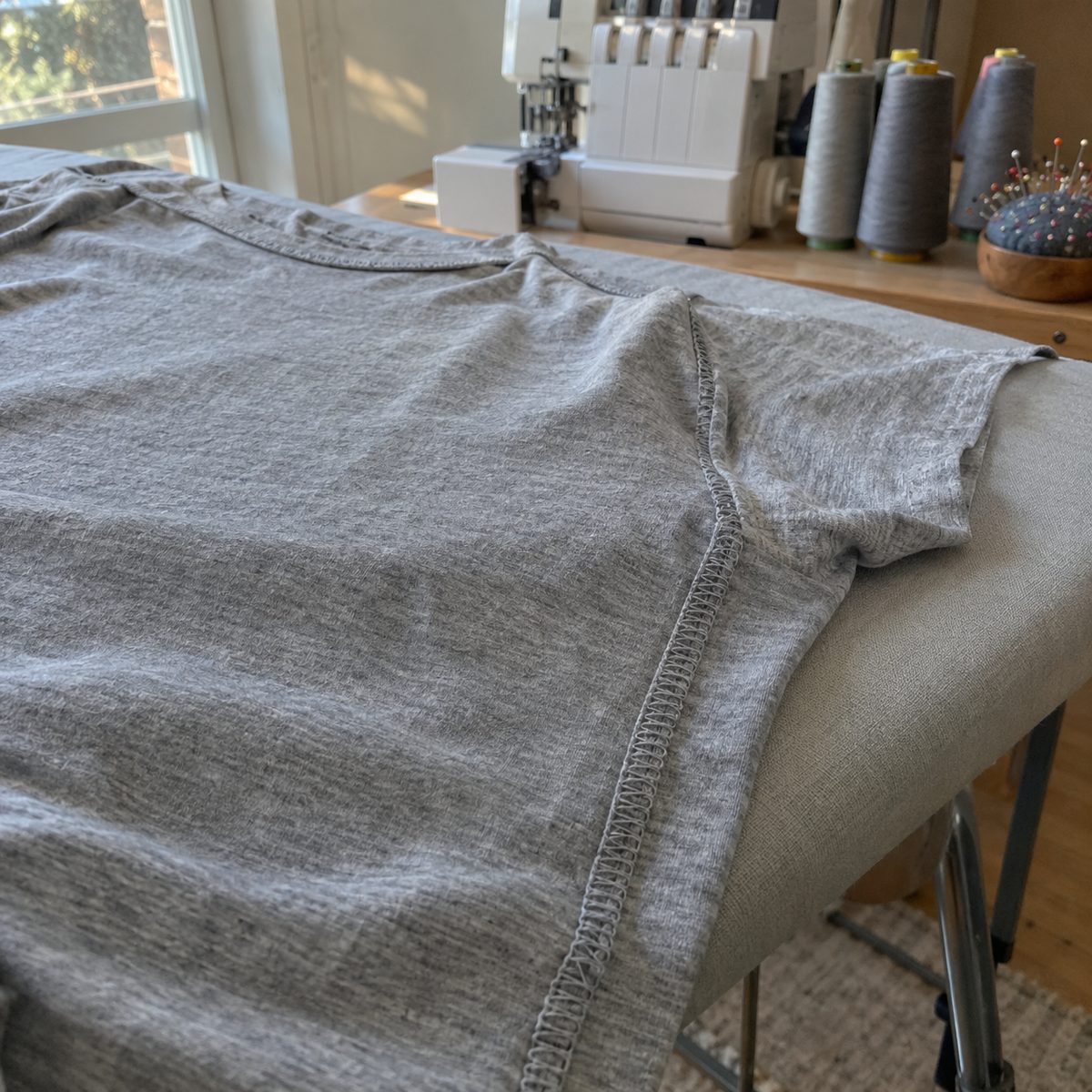
- You sew knits often. T-shirts, leggings, pajamas, kids’ clothes and activewear come together faster and hold up better with serged seams.
- You’re making garments regularly. Finishing every seam with a separate zigzag pass adds up. A serger cuts that step out.
- Your fabric frays badly. Linen, loosely woven cottons and rayons can shed threads all over the place. Serging the edges right after cutting, or before washing, keeps them under control.
- You care about a professional finish. If you want the inside of your clothes to look like what you’d buy in a store, a serger is the most direct route.
- You make lots of simple, repeat items. Napkins with rolled edges, baby items, scrunchies and similar small batches go quickly.
Keep in mind that a serger doesn’t replace your sewing machine even at this stage. A typical knit top might have its shoulder and side seams serged, but the neckband might get topstitched and the hem sewn on the sewing machine with a twin needle (unless you also own a coverstitch machine, which is a separate topic). The two machines tag-team.
It’s also fair to know what you’re signing up for. Threading a serger the first few times takes patience, and adjusting tension across four threads is a skill in itself. The good news is that most people get comfortable after a handful of sessions, and many sewists keep a set of neutral thread cones on the machine so they rarely have to rethread. You can also tie new threads onto the old ones and pull them through, which saves re-threading from scratch.
What to buy first if you’re on a budget
If you can only buy one machine right now, buy the sewing machine. Nearly every project you’ll want to make needs one, and a serger simply can’t stand in for it. There’s no pattern that says “serger required, sewing machine optional.”
Here’s how I’d approach it step by step:
- Get a solid basic sewing machine. Look for a reliable straight stitch, a zigzag, an adjustable stitch length and width, a one-step or four-step buttonhole, and the ability to lower the feed dogs if you might quilt. You don’t need hundreds of decorative stitches. My roundup of the best sewing machines for beginners is a good starting point.
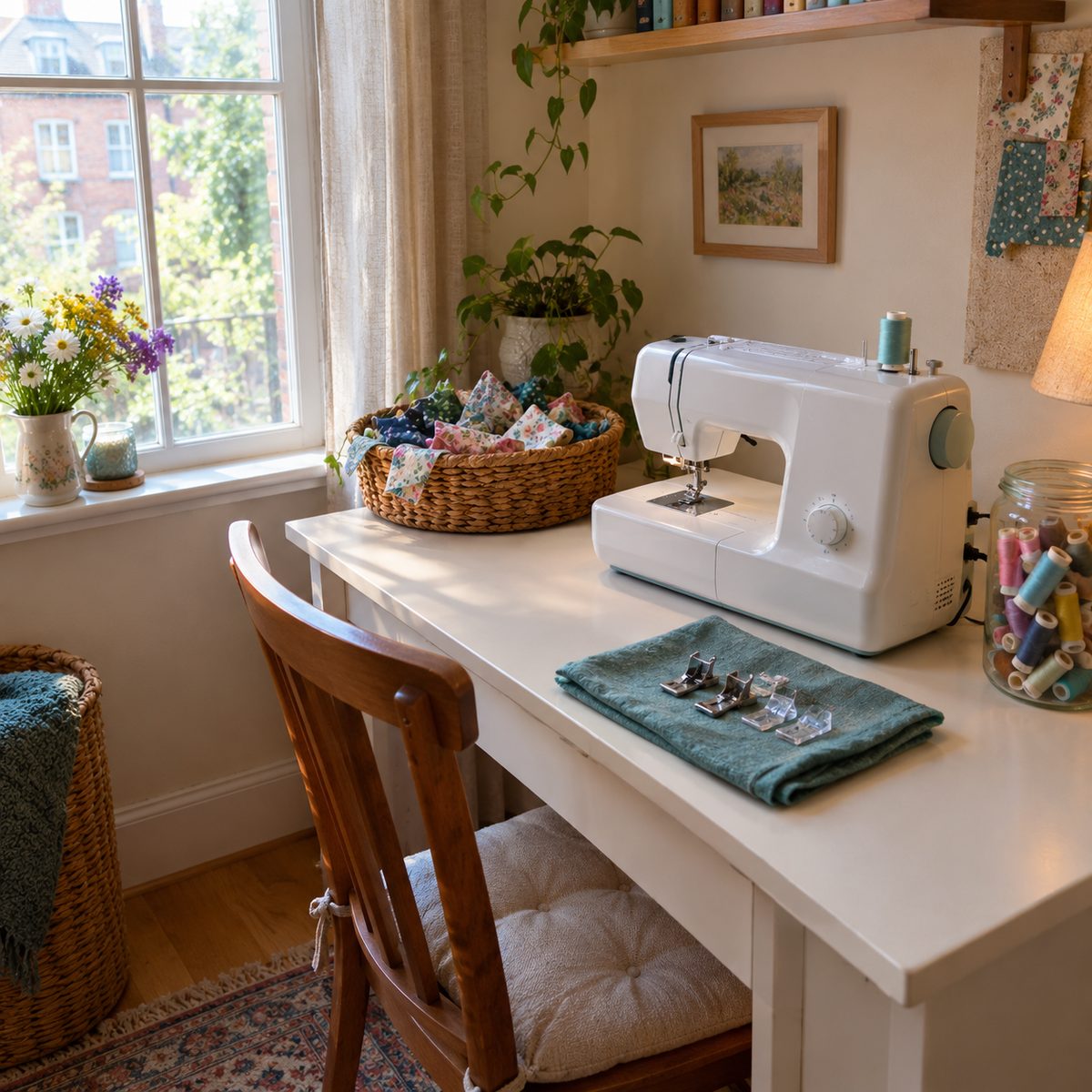
- Add a few presser feet. A zipper foot, a walking foot and an overcast or edge foot will stretch a basic machine much further than you might expect.
- Sew for a while and pay attention. Notice what you keep making. If it’s quilts, bags and home projects, you may never miss a serger. If it’s clothing, especially knits, you’ll feel the pull.
- Then consider a serger. When you’re ready, prioritize easy threading (color-coded paths or lay-in tension discs help), a differential feed control for knits, and a rolled hem setting. Air-threading is a luxury that’s worth it for some people and not for others.
One tempting shortcut is buying a sewing machine that advertises an “overlock stitch.” Those stitches can give a nicer edge finish than plain zigzag, and they’re useful, but they don’t trim the fabric and they don’t sew as fast as a true serger. Think of them as a good stand-in, not a replacement.
Frequently asked questions
Can a serger replace a sewing machine?
Not for most sewists. A serger only stitches along a raw edge and trims as it goes, so it can’t sew buttonholes, topstitch, insert most zippers, or stitch in the middle of the fabric. Some knit garments can be sewn mostly on a serger, but you’ll still want a sewing machine for hems, details and repairs. Think of the serger as an add-on rather than a substitute.
Is a serger hard for beginners to use?
Sewing with a serger is actually quite easy once it’s threaded; you guide the fabric and it does the rest. Threading and tension are the harder parts, since you’re managing three or four threads that must go in a set order. Most beginners find it manageable after a few practice sessions with scrap fabric and the manual open beside them.
Can I sew stretchy fabric without a serger?
Yes. Use a ballpoint or stretch needle, choose a narrow zigzag or your machine’s stretch stitch, and let the fabric feed without pulling it. A walking foot helps prevent wavy seams. Knit fabric doesn’t fray, so the seam allowances don’t strictly need finishing, though many sewists trim them neatly or zigzag them together for a cleaner look.
Do I need a coverstitch machine too?
Probably not at first. A coverstitch machine sews the double-row hems you see on t-shirt sleeves and bottoms. Some sergers convert to coverstitch, and a twin needle on a regular sewing machine gives a similar look on the outside. It’s only worth considering once you sew a lot of knit garments and want that exact ready-to-wear hem.
So do you really need both? For quilts, bags, mending and the occasional woven garment, a good sewing machine will carry you a long way on its own. If clothing becomes your main love, especially anything stretchy, a serger quickly moves from luxury to the machine you wonder how you lived without. Start with the sewing machine, sew often, and let your projects tell you when it’s time for the second one. When that day comes, my roundup of serger reviews can help you narrow things down.