Pressing vs. Ironing: Why It Matters So Much in Sewing
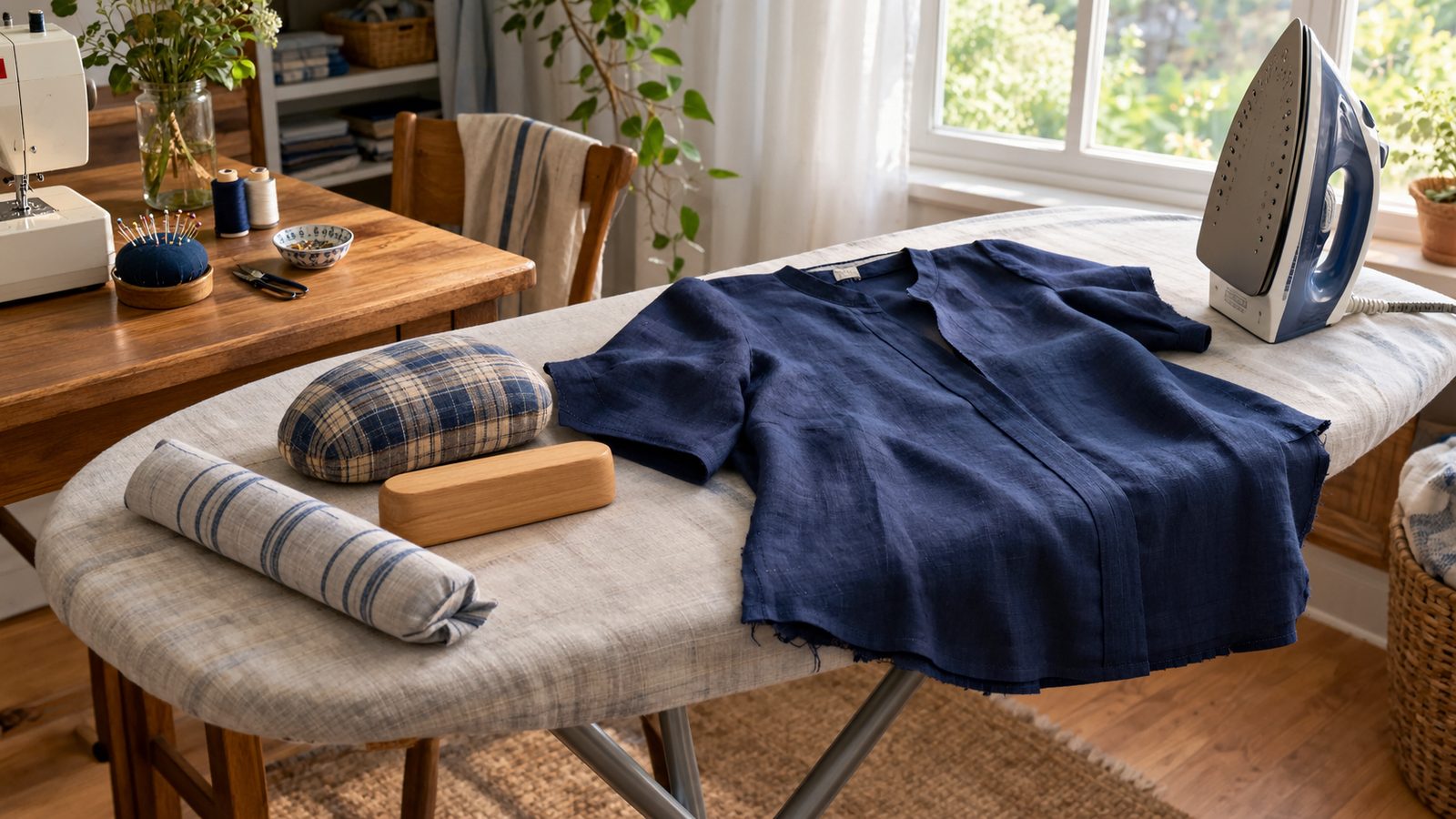
Ironing glides, pressing lifts and lowers. Here is why that small difference shapes professional-looking seams, plus heat settings, tools and mistakes to avoid.
Every Stitch and Sew article, newest first.
Ironing glides, pressing lifts and lowers. Here is why that small difference shapes professional-looking seams, plus heat settings, tools and mistakes to avoid.
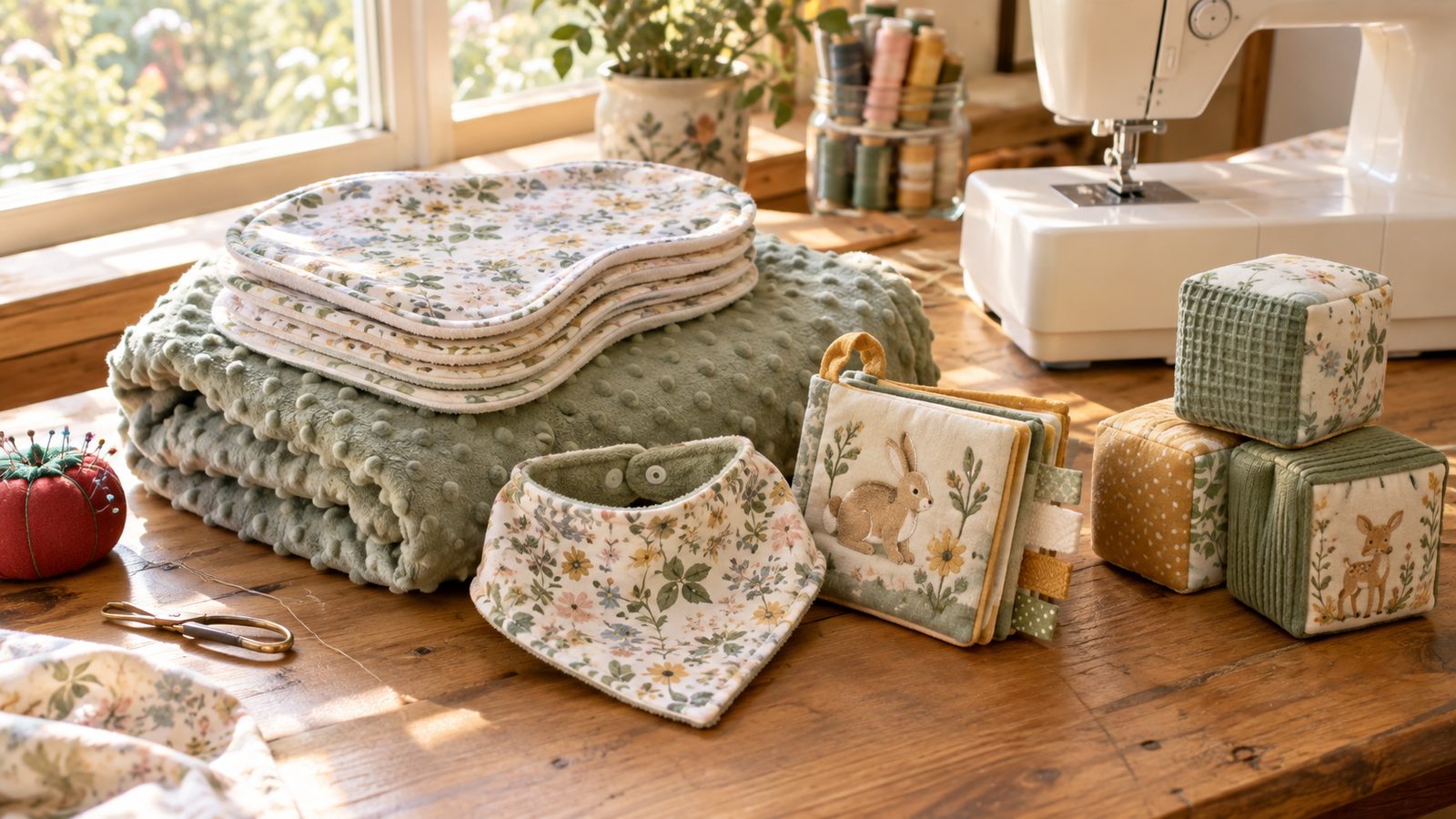
Eighteen practical baby sewing projects for shower gifts and the nursery, from burp cloths and bibs to a taggie blanket and a fitted crib sheet, with safe-sleep and small-parts tips.
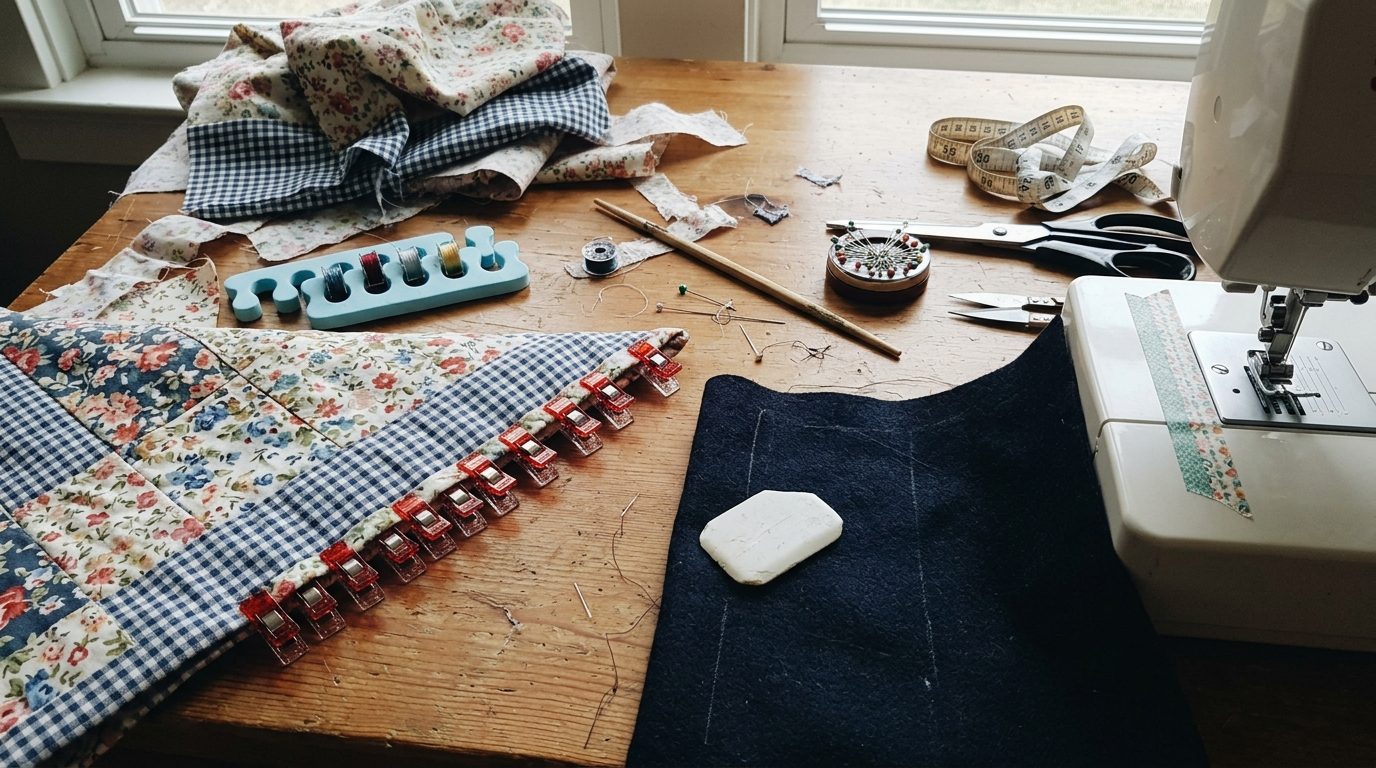
Eighteen cheap, simple sewing hacks that fix the everyday frustrations of home sewing, from threading needles and marking fabric to straighter seams and crisper corners.
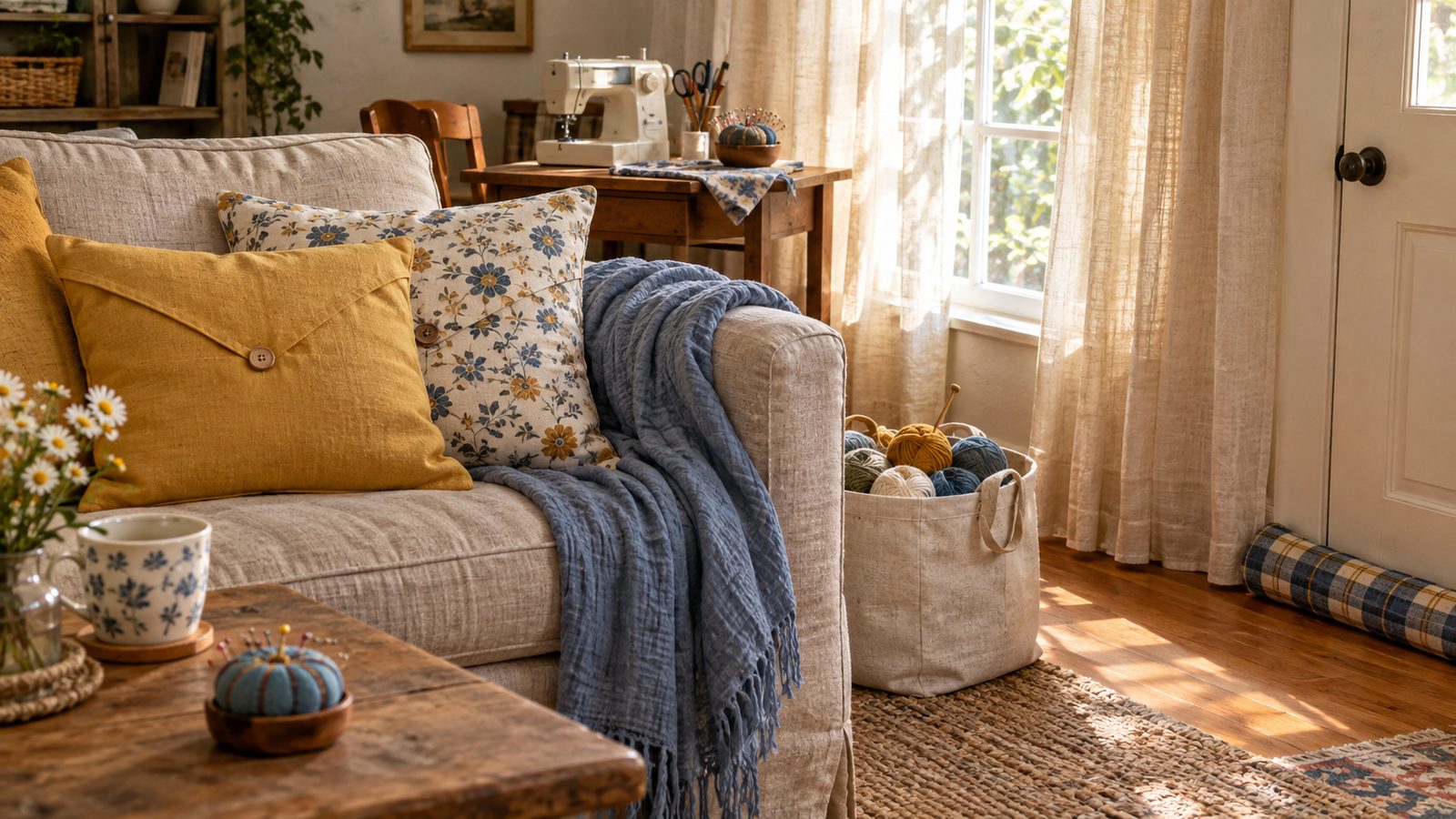
Sixteen budget-friendly home decor sewing projects, from pillow covers to curtains and a floor pouf, with fabric yardage, rough costs, and the key steps for each.
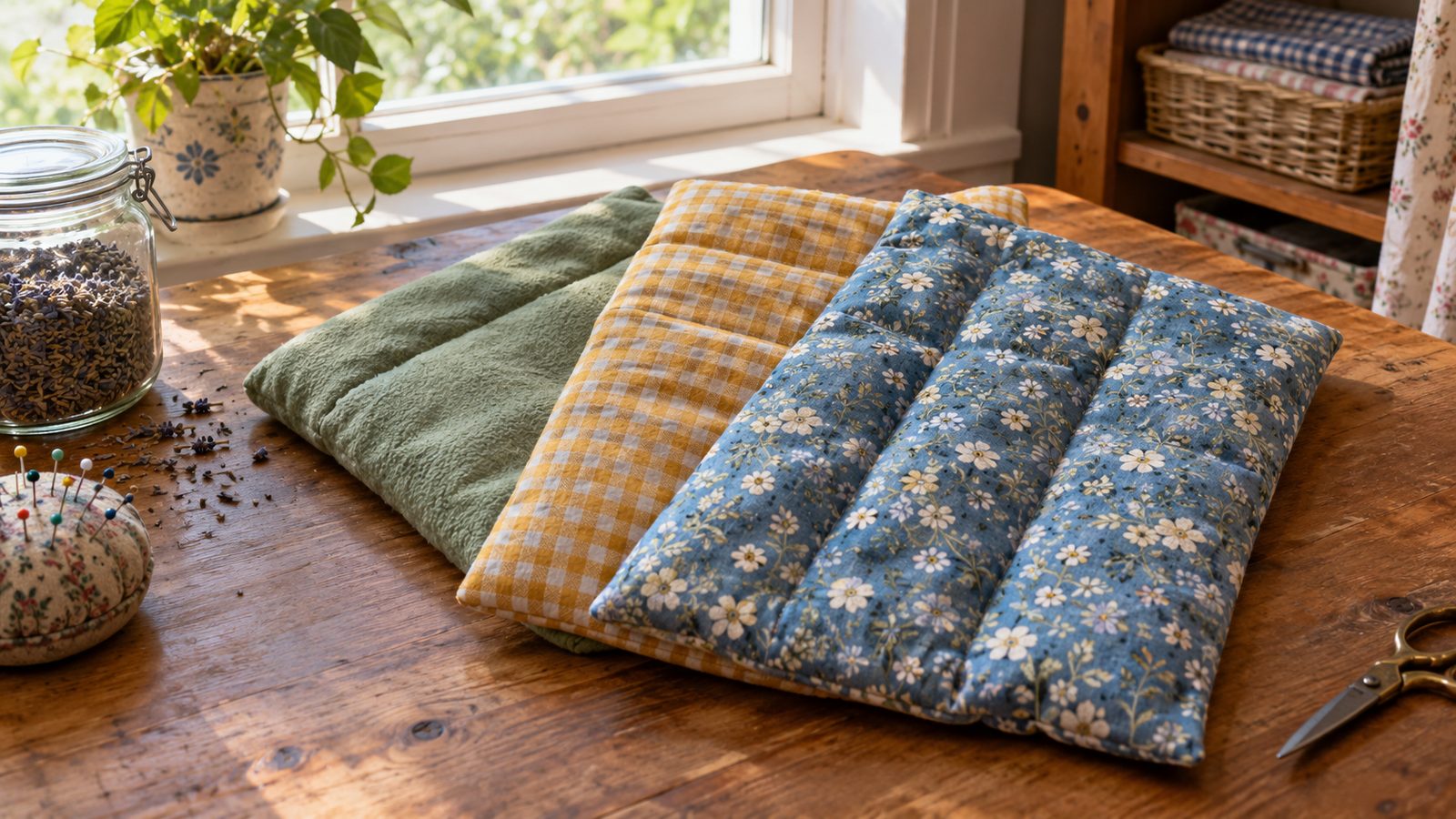
Sew a cozy 8 x 20 inch microwavable rice heating pad with channel stitching to keep the filling in place, an optional washable envelope cover, and the heating habits that keep it safe.
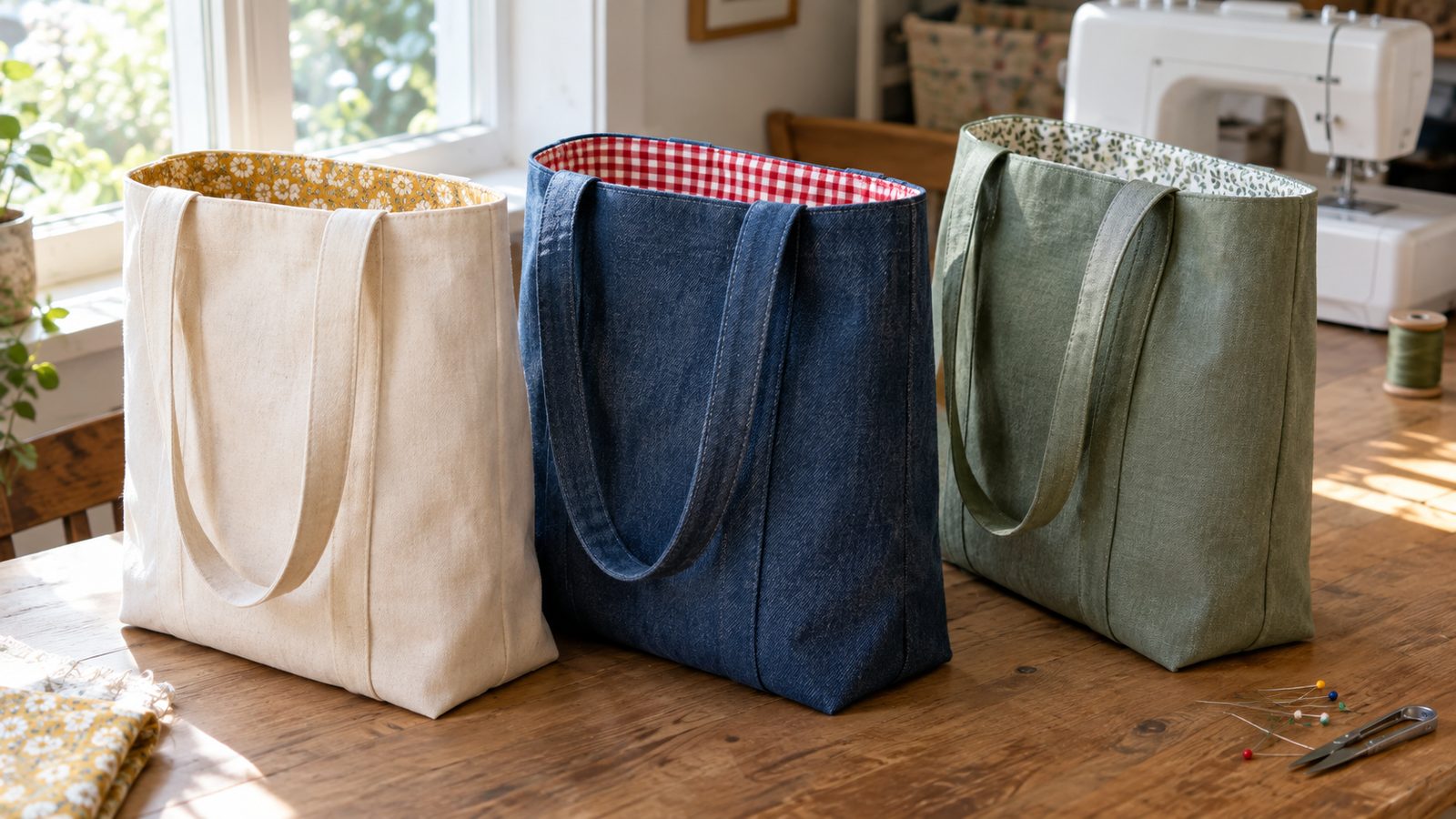
A step-by-step pattern for a lined, interfaced tote about 14 x 15 x 4 inches, with four-fold straps, boxed corners explained, and easy ways to add a pocket, a snap, or change the size.
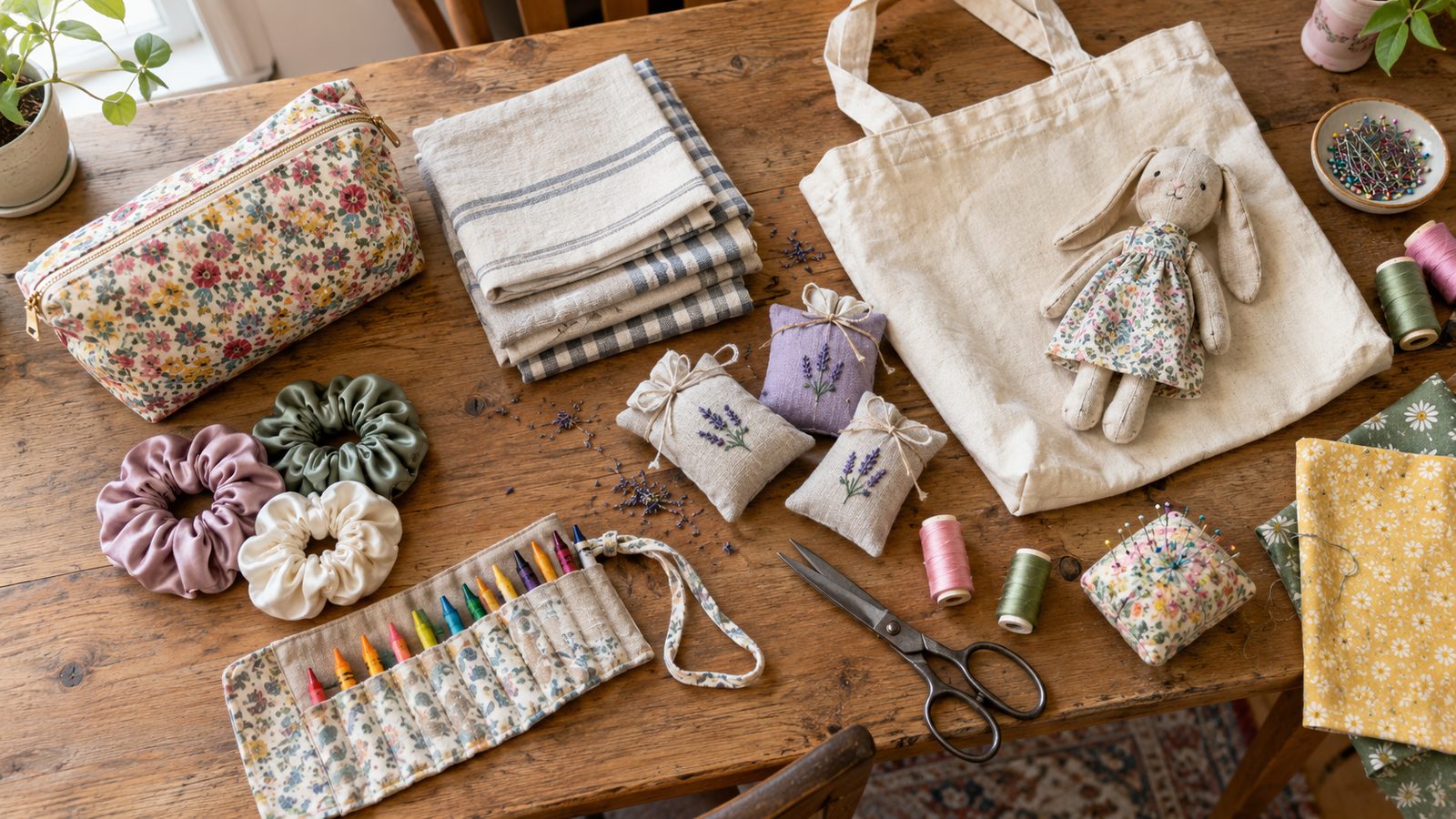
Twenty easy sewing projects that make handmade gifts look shop-bought nice, with sizes, materials, and a finishing touch for each.
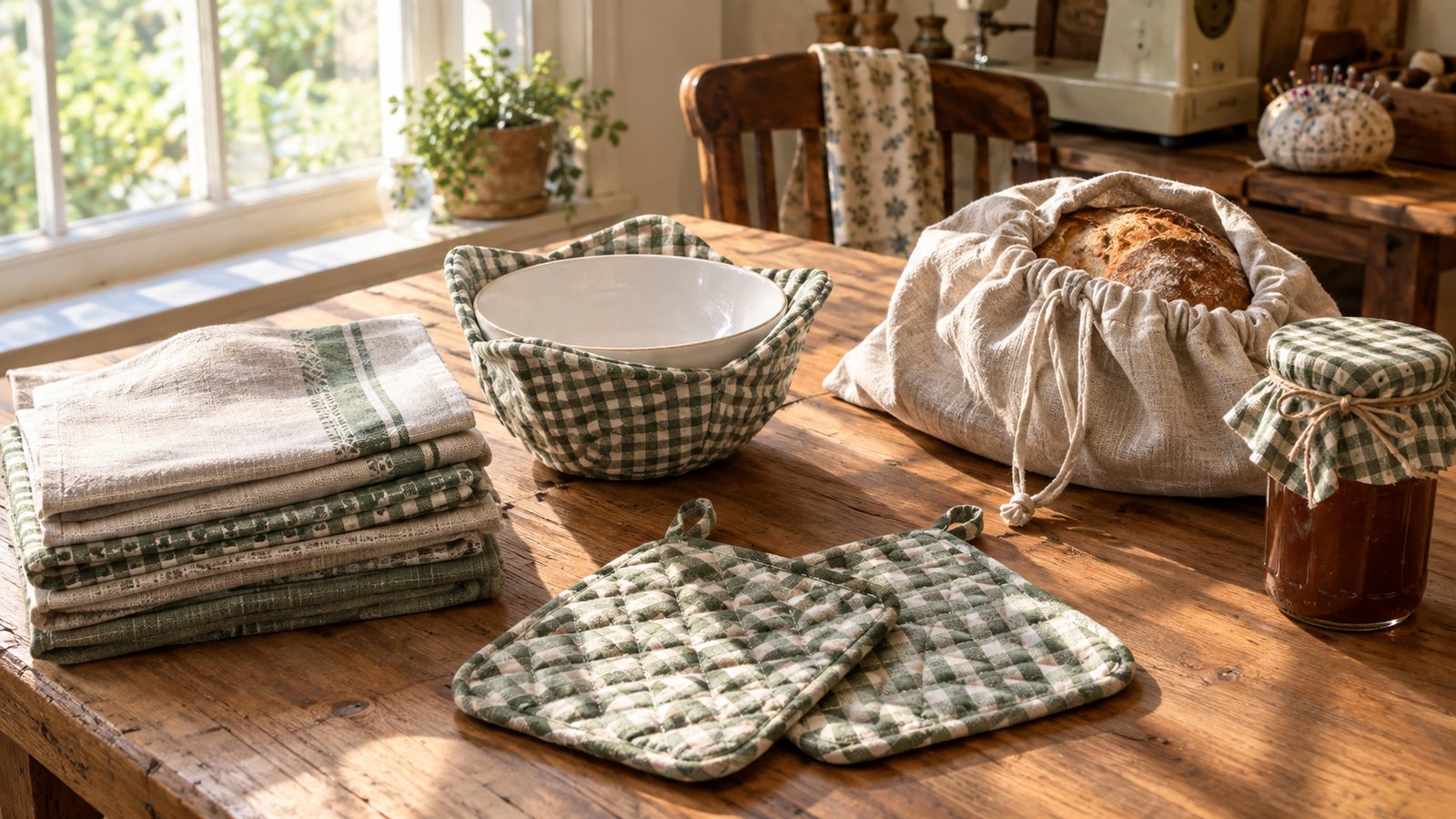
Eighteen practical kitchen sewing projects, from quilted potholders and microwave bowl cozies to cloth napkins and a linen bread bag, with sizes and fabric tips for each.
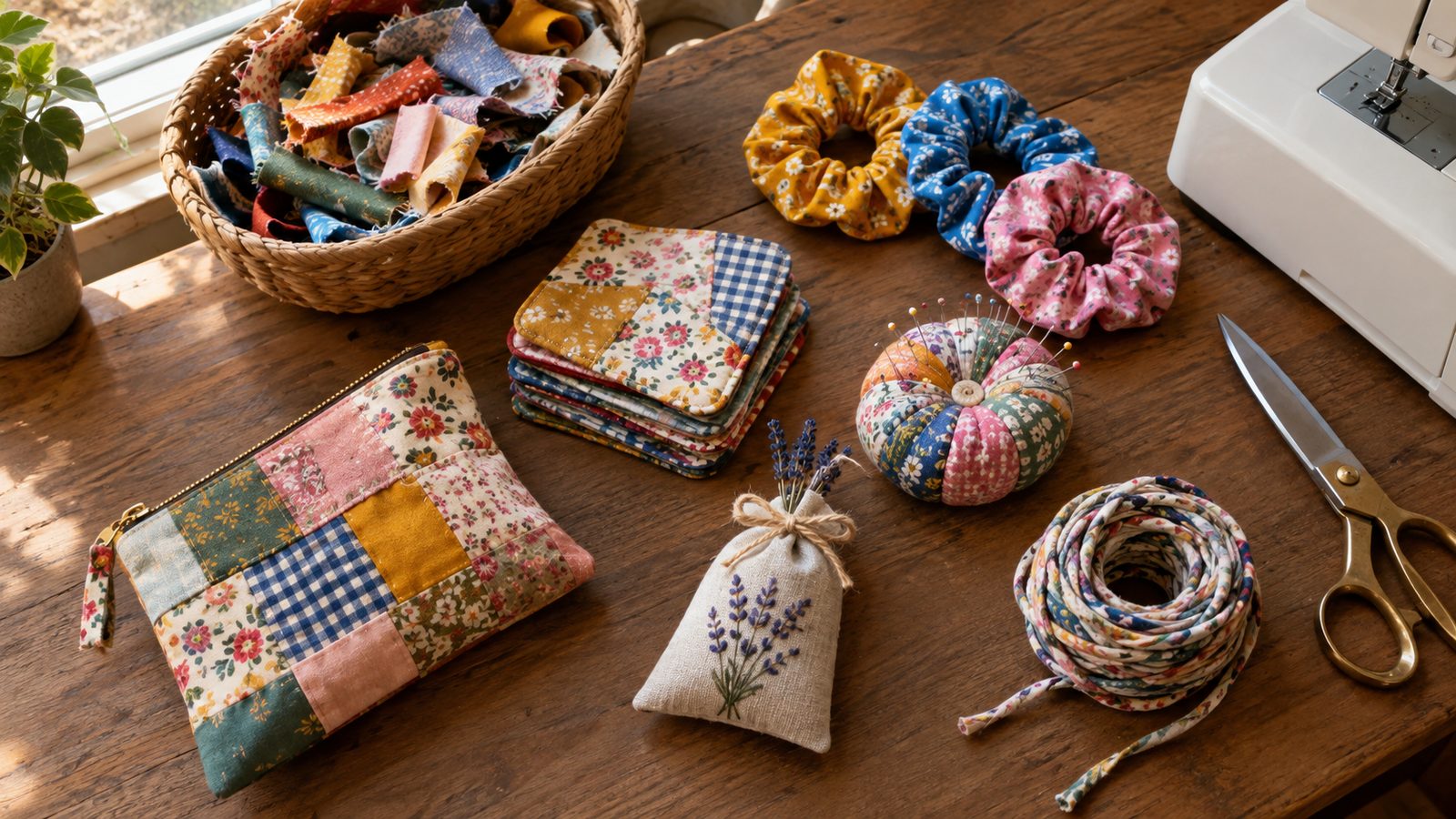
Twenty practical projects sized for the scraps you actually have, from 2-inch bits to fat quarters, plus two ideas that use every last trimming.
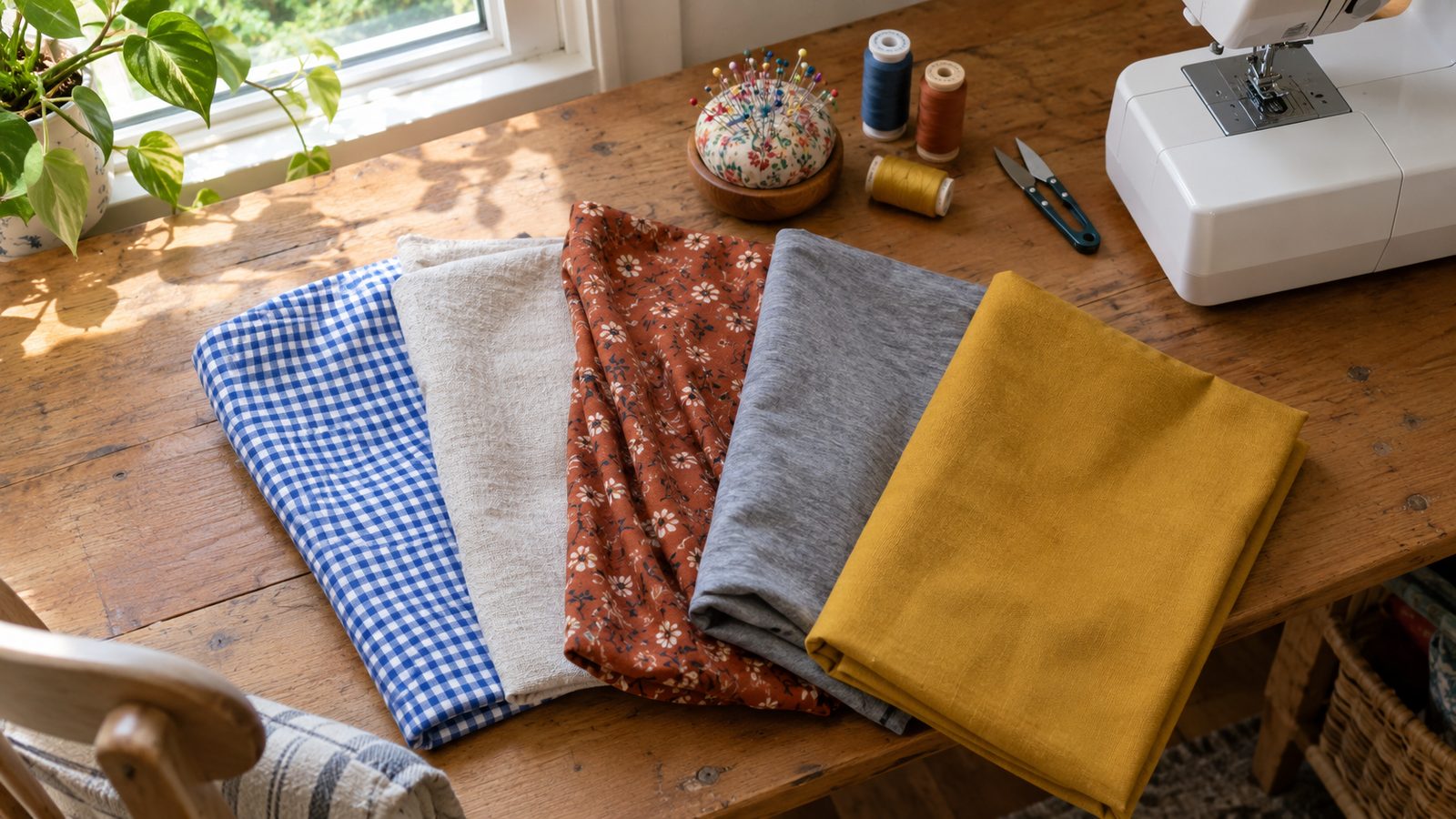
Match drape, stretch, weight and fiber content to your project, learn to read the bolt end, and find the right fabric for the pieces beginners sew most.
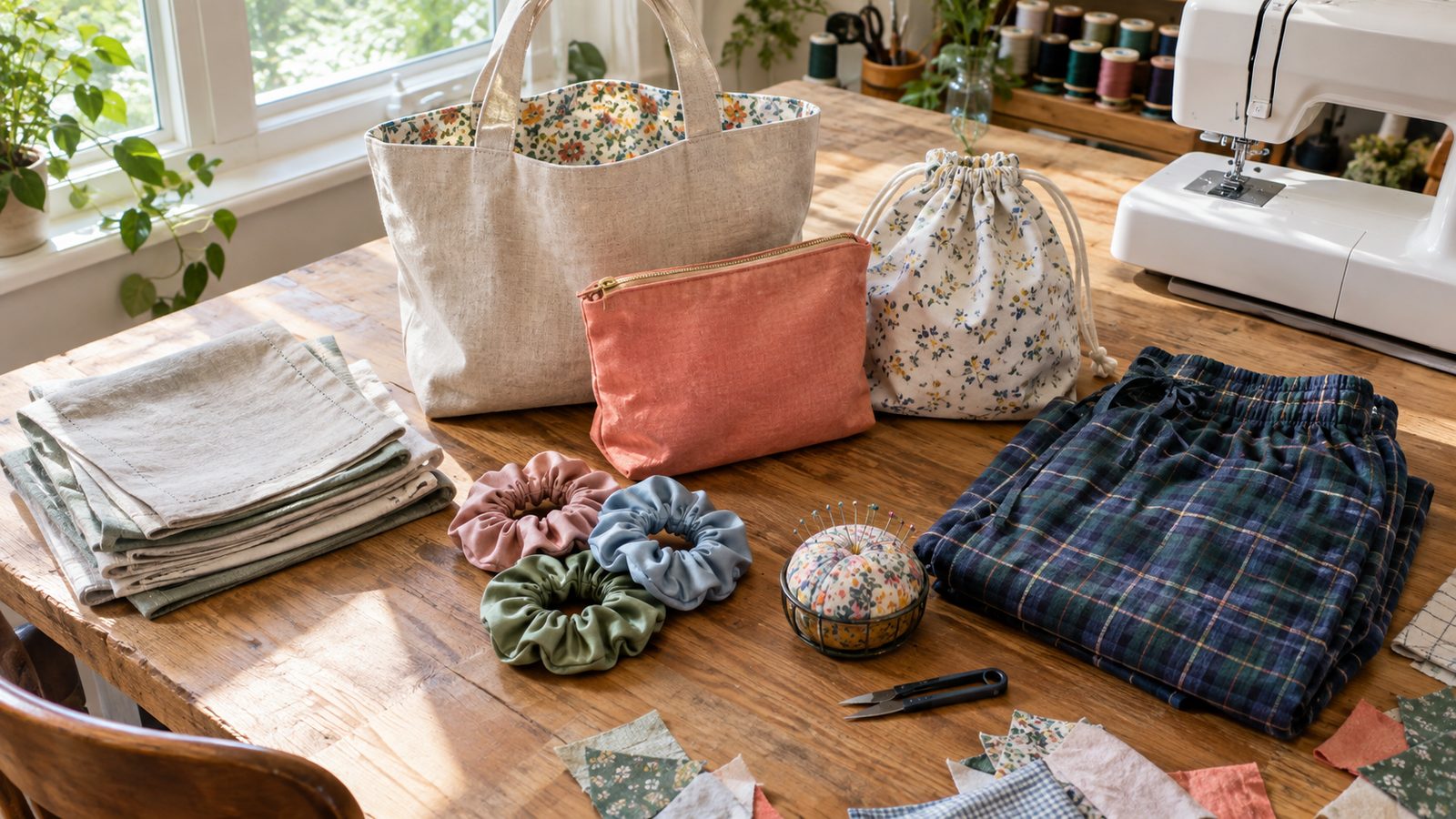
Twenty-five beginner-friendly sewing projects in a sensible order, from straight-seam napkins to zipper pouches and your first pair of pajama pants.
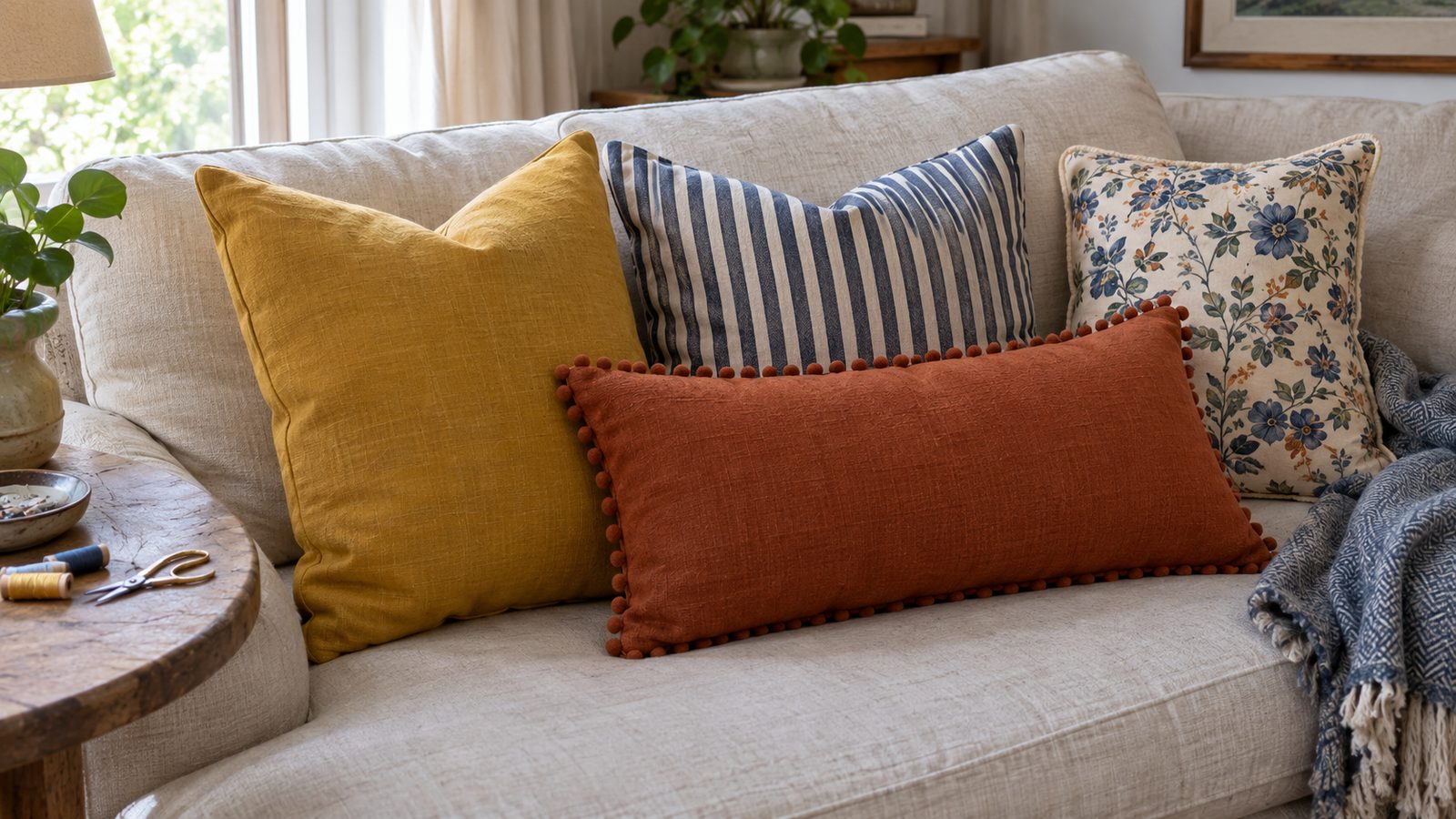
Sew an envelope pillow cover with no zipper or buttons. Use the cut chart for common insert sizes, learn the simple overlap formula, and follow the steps from cutting to the final press.